 +33 (0)7 84 05 73 75

Price is not the only criterion
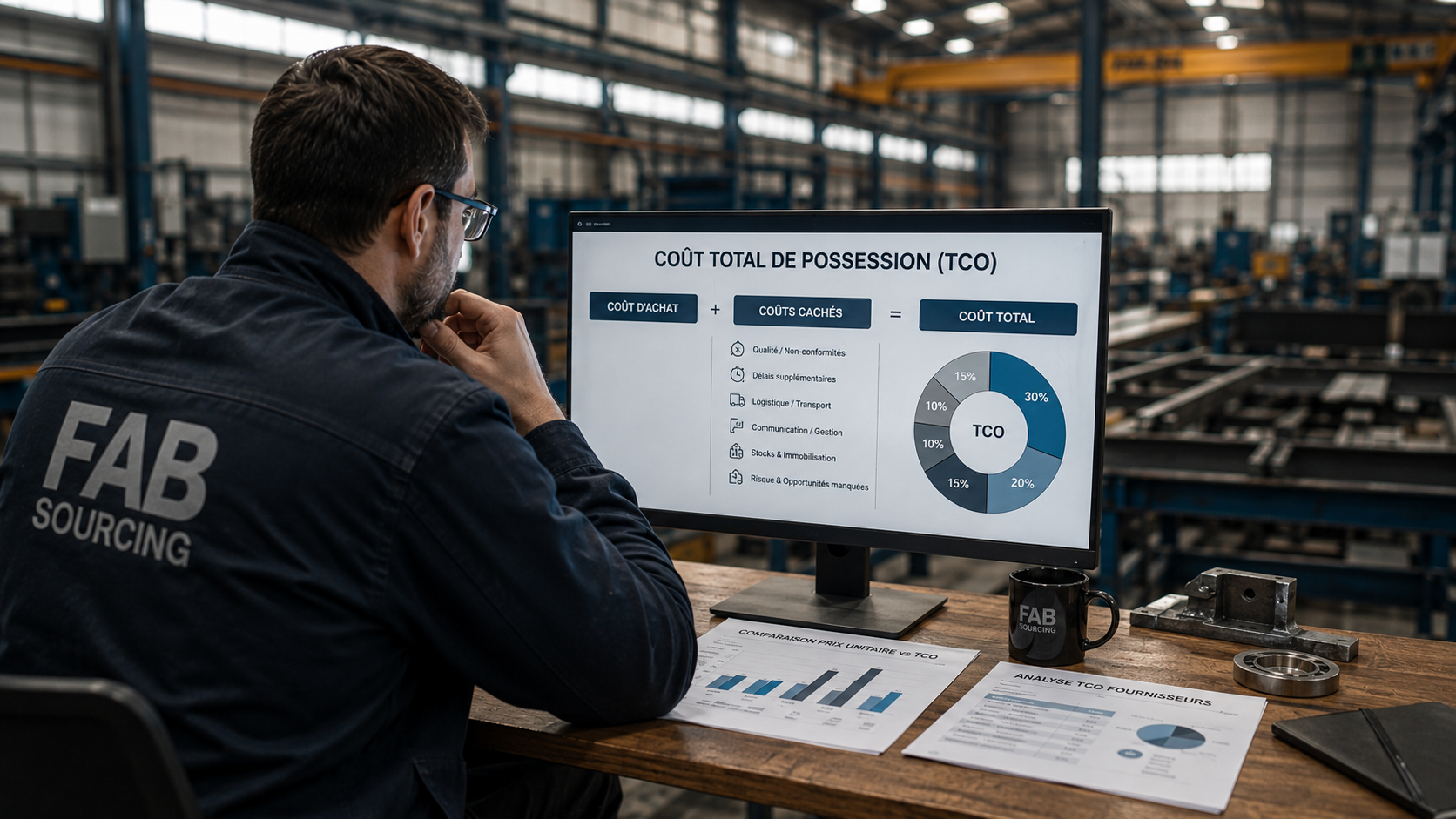
When a company looks for an industrial subcontractor, the natural reflex is to compare quotes. That is necessary, but far from sufficient. A cheap subcontractor who delivers late, produces non-conformities or lacks responsiveness ultimately costs much more than a reliable, slightly more expensive partner.
Criterion 1: certifications and accreditations
Certifications (ISO 9001, EN 1090 for steel structures, EN ISO 3834 for welding) show that formal quality processes are in place. They do not guarantee excellence, but they are an essential minimum for any serious partnership. Always ask for up-to-date certificates.
Criterion 2: technical capability and machinery
Your subcontractor must have equipment suited to your parts: laser or plasma cutting, CNC press brake, MIG/TIG welding stations, paint booth. A workshop visit, even a virtual one, quickly shows whether your needs match their real capabilities.
Criterion 3: references and sector experience
Ask for references in your sector. A subcontractor used to making railings for construction sites will not necessarily be suited to complex industrial structures, and vice versa. Sector experience shortens the learning curve and reduces the risk of drift.
Criterion 4: communication and responsiveness
The quality of the commercial and technical relationship is decisive. A good subcontractor answers quote requests quickly, asks relevant questions about specifications and communicates proactively when problems arise. Language can be a barrier: make sure you have a technical contact who speaks your language – English or French.
Criterion 5: financial stability
A subcontractor in financial difficulty can interrupt your production without notice. Before placing a first large order, check the company's soundness: years in business, headcount, reference customers. Fab Sourcing carries out these checks systematically for each of its partners.